

The democratization of AI tools has created a deluge of visual mediocrity. The next frontier is not access, but mastery. We explore how to engineer generative media that feels expensive, tactile, and undeniably permanent.
Introduction: The Ubiquity of the “Average” Image
We are living through the greatest devaluation of the image in human history.
The democratization of generative AI tools—Midjourney, Stable Diffusion, DALL-E—has placed the power of infinite creation into the hands of the many. The resulting output is a global torrent of visual noise. Our feeds are choked with oversaturated, hyper-symmetrical, uncanny valley imagery that screams “generated.”
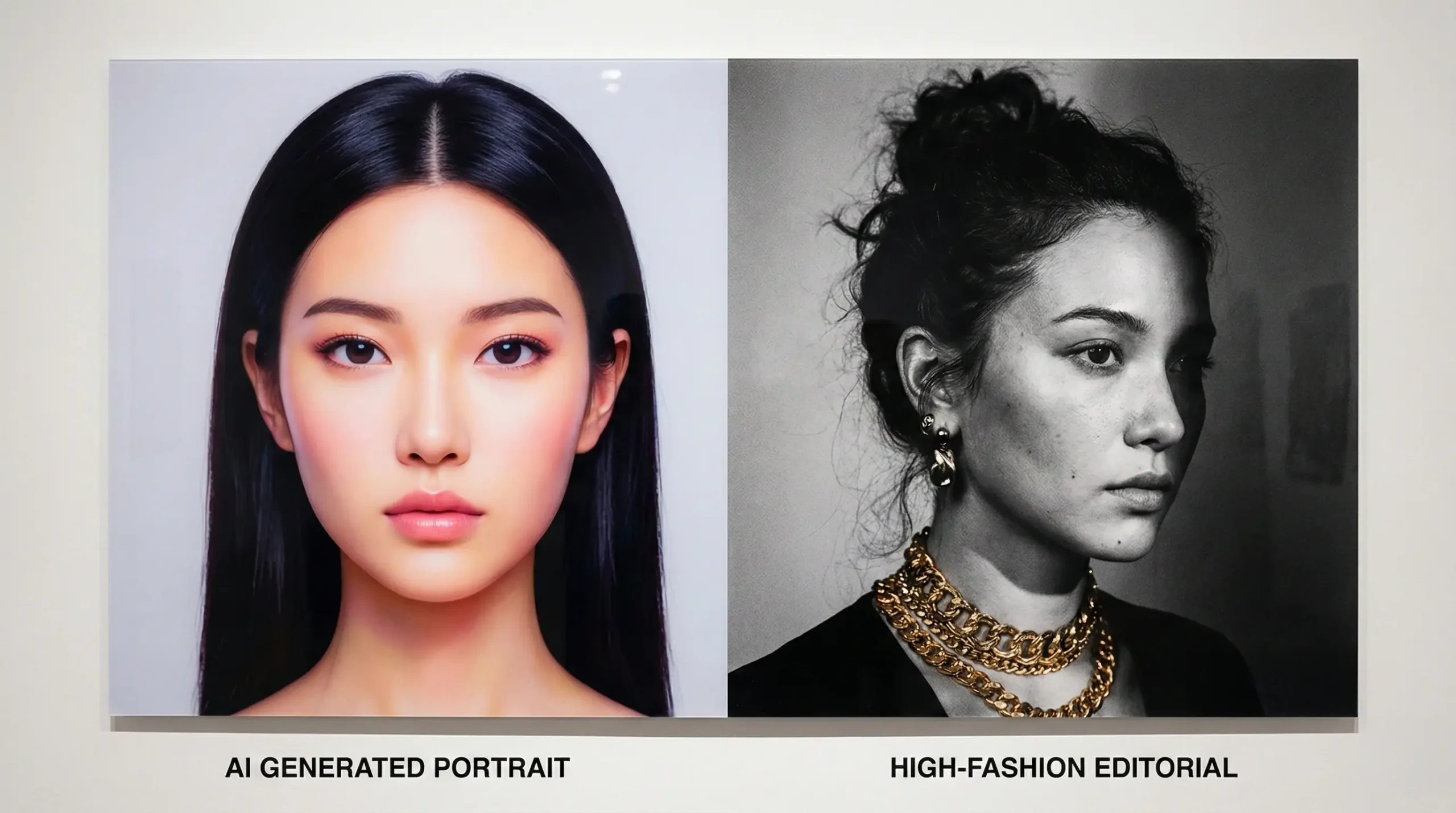
For the luxury sector, this democratization is terrifying. Luxury relies on scarcity, provenance, and an obsessive devotion to craft. The current wave of AI “slop”—with its plastic skin textures, default lighting configurations, and derivative compositions—is the antithesis of luxury. It is the democratization of “average.”
Many high-end brands have reacted by rejecting the technology entirely, fearing that touching AI will cheapen their hard-won equity. This is a strategic error. Rejecting the tool because amateurs misuse it is like rejecting photography in 1850 because early daguerreotypes were blurry.
At No Brief Studio, the visual production wing of the House of Namus, we take a different stance. We believe that generative media is the most powerful engine for luxury imagery ever invented—but only if it is warped, tortured, and refined by a master hand.
We call this approach Synthetic Luxury.
Defining the Aesthetic of Synthetic Luxury
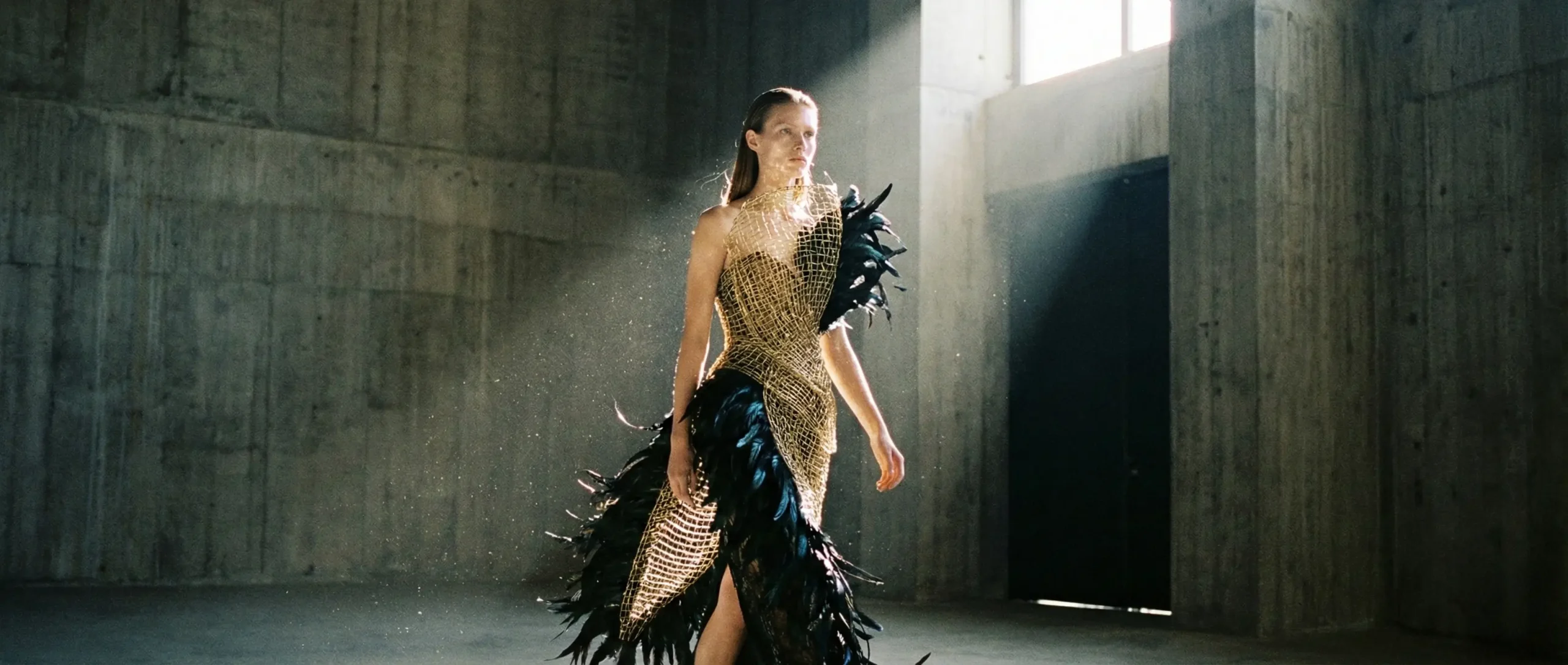
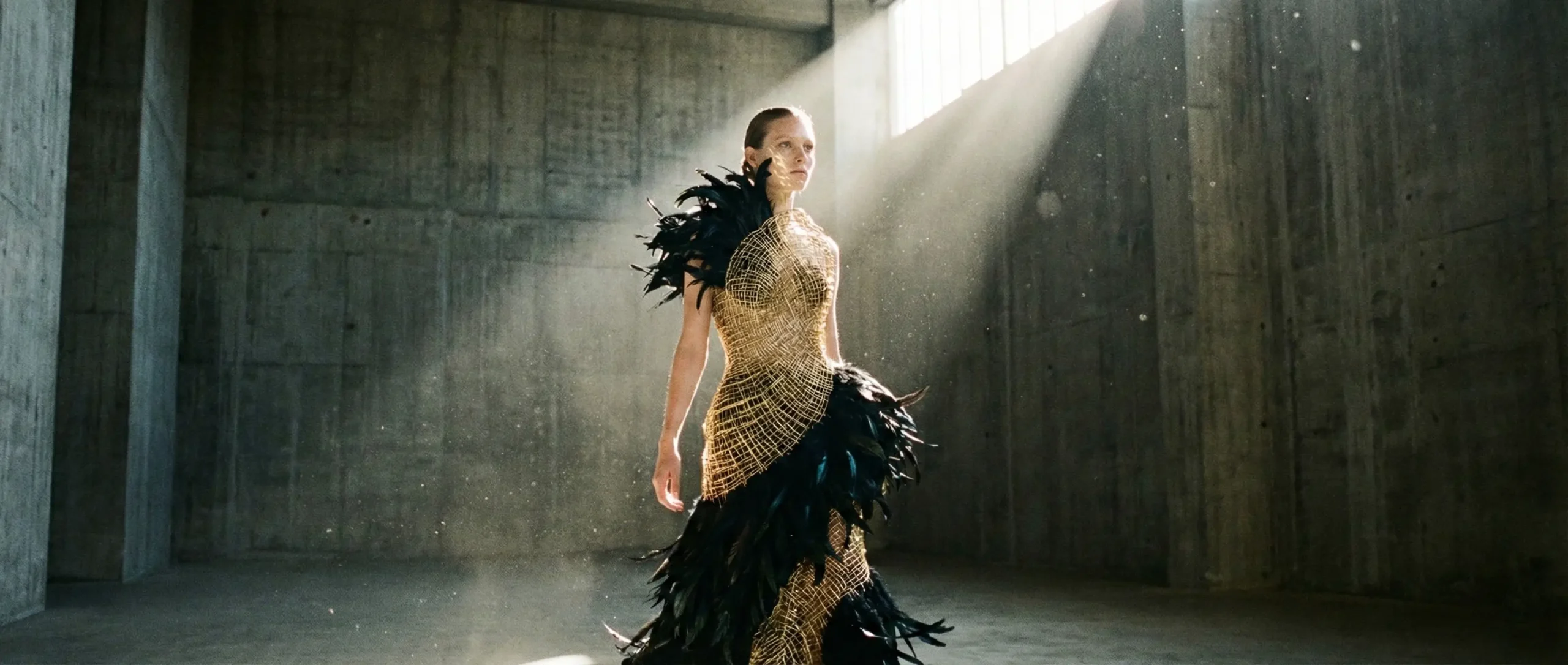
Synthetic Luxury is not about hiding the process. We are not trying to trick the viewer into believing a photograph is “real.” We are trying to create an image that is so arrestingly beautiful, so texturally rich, and so compositionally daring that its origin becomes irrelevant.
It is the difference between a polyester suit off the rack and bespoke tailoring. Both are fabric; one feels cheap, the other commands respect.
The default setting of any AI model is mediocrity. It wants to give you the most statistically probable image based on its training data. Luxury, by definition, is improbable. Therefore, creating High Art with AI requires an anti-algorithmic approach. We must actively fight the machine’s tendency toward the center.
The Methodology: Engineering Tacility
How do we elevate generative media from a tech demo to a Vogue editorial? The secret lies in reintroducing what the machine tries to eliminate: friction, texture, and imperfection.
1. The Revolt Against Perfection
AI models are trained to reduce noise. Luxury loves noise. The flaw in a piece of hand-blown glass, the grain in analog film, the slight asymmetry in couture draping—these are markers of high value.
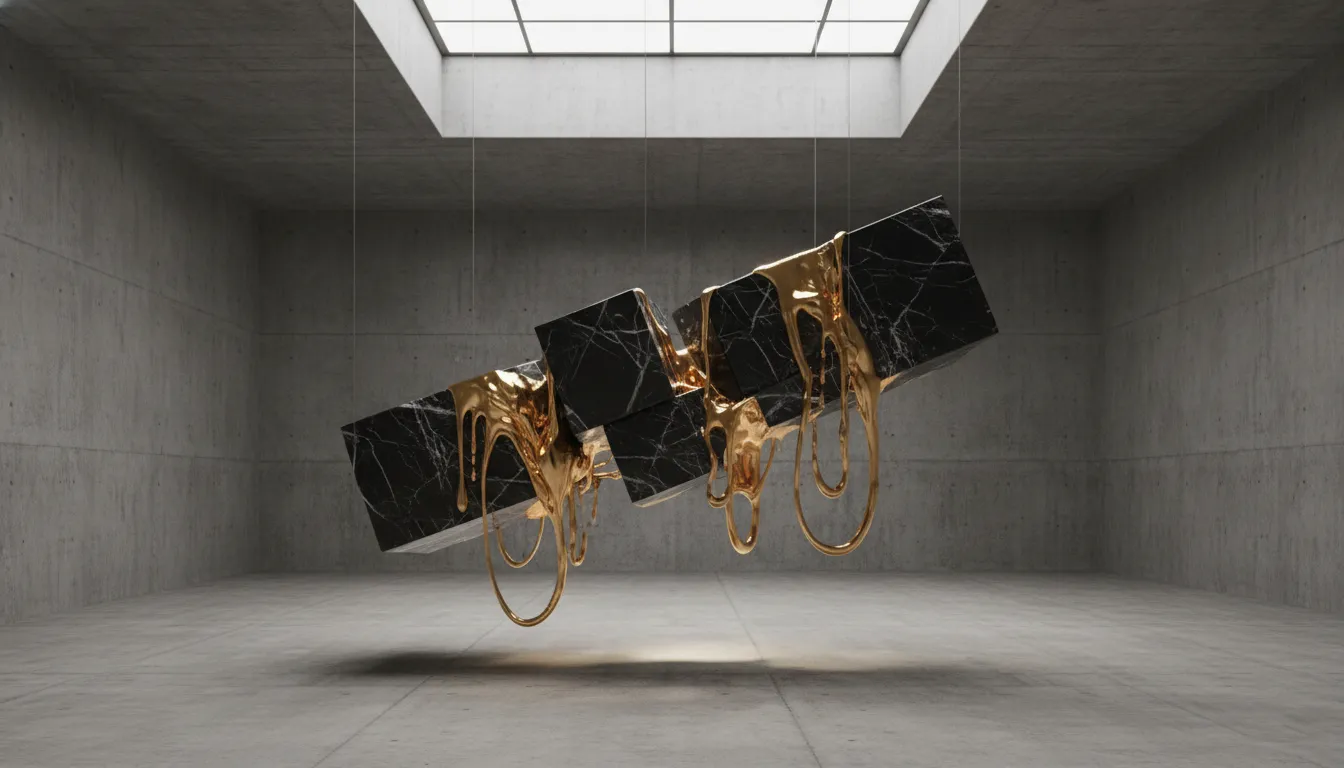
In our workflow, we spend more time injecting imperfections than we do generating the base image. We introduce film grain, lens artifacts, and complex, messy lighting scenarios that break the uncanny perfection of the digital render. We force the AI to understand that a perfect sphere is boring, but a sphere of chipped obsidian is profound.
2. Materiality and the “Digital Hand”
The greatest weakness of current AI is materiality. It struggles to understand the tactile difference between silk charmeuse and heavy velvet, or the way light hits brushed gold versus polished brass.
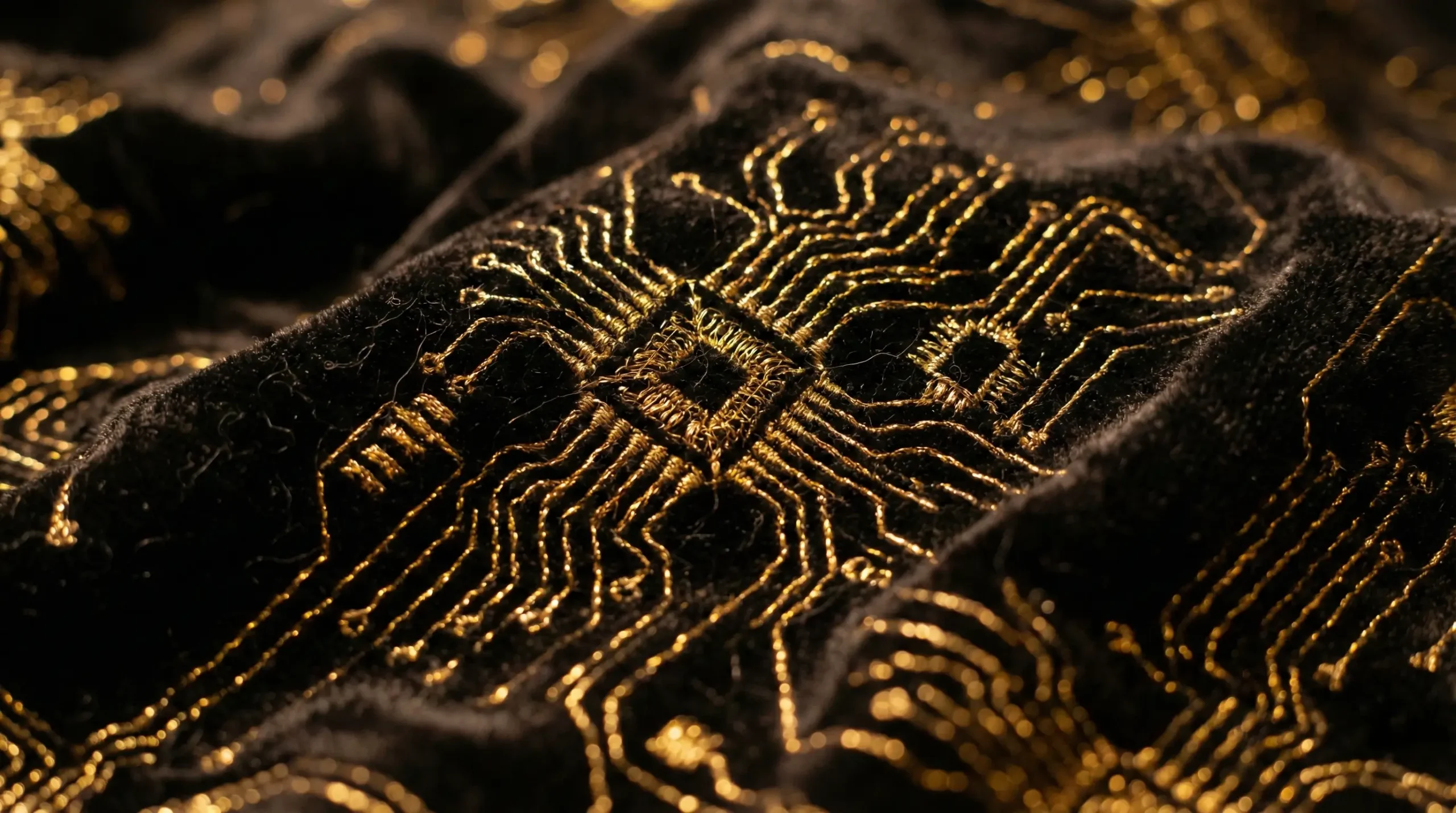
Synthetic Luxury requires a deep, almost obsessive focus on materiality. We use complex prompting structures and post-processing techniques to force tactile reality into the pixels. We want the viewer to feel the weight of the fabric or the coldness of the stone through the screen. If you cannot mentally touch the image, it is not luxury.
3. Lighting as Narrative
The “Midjourney look” is often defined by flat, dramatic, fantasy lighting. It lacks subtlety.
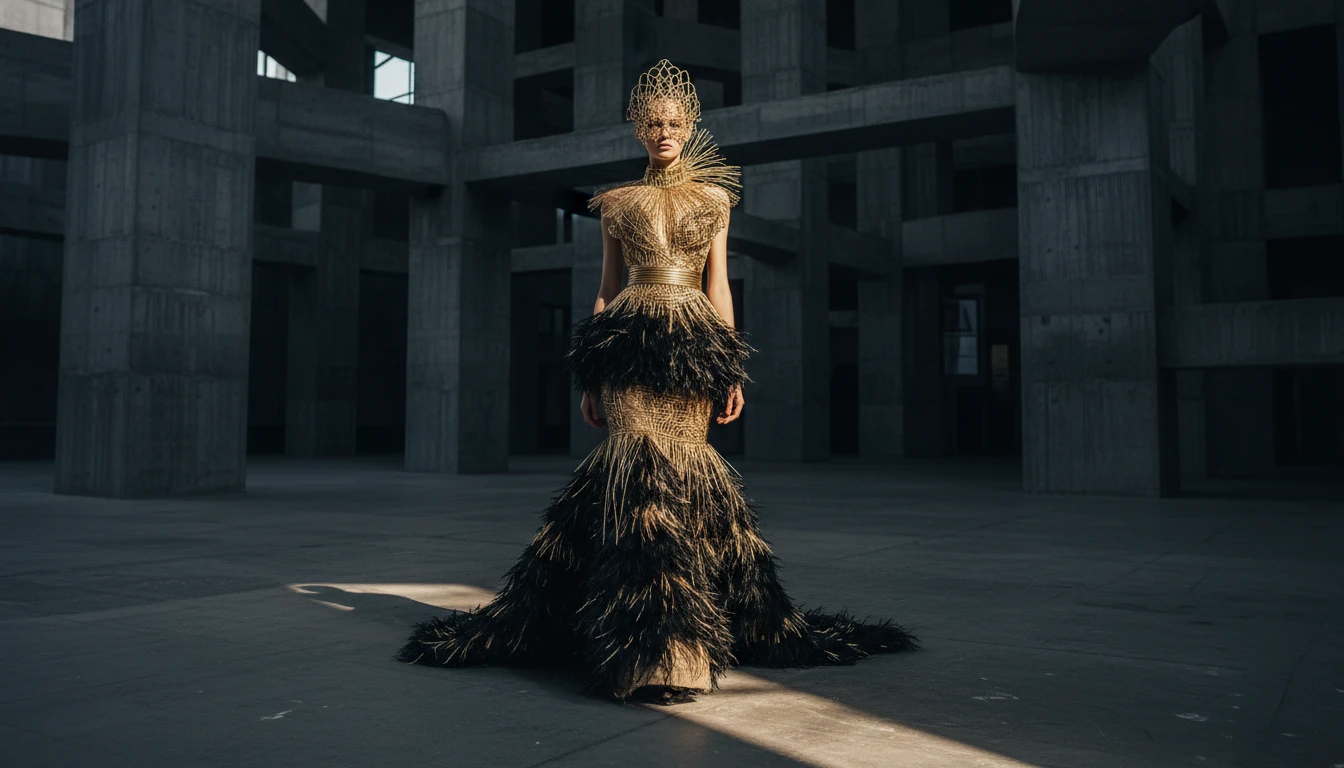
At No Brief Studio, we approach AI lighting with the same rigor as a cinematographer on a film set. We don’t just ask for “dramatic lighting.” We build lighting architecture within the prompt—specifying brutalist shadows, shafts of natural light cut by dust, or the soft, enveloping glow of a specific time of day. Lighting is not just illumination; it is the emotional narrative of the piece.
The New Paradigm for Premium Brands
Why should a luxury brand embrace Synthetic Luxury? Because it allows for visual narratives that were previously impossible due to the constraints of physics and budget.
We can place a couture collection inside a brutalist cathedral carved from Himalayan salt. We can visualize a perfume bottle floating in a zero-gravity environment composed of molten gold and orchids. We can generate ten thousand iterations of a campaign concept in a day, exploring the furthest edges of the brand’s aesthetic universe before committing to a final direction.
This is not about cutting costs—though that is often a byproduct. It is about expanding the canvas. It allows brands to operate at a scale of imagination that matches their price point.
Conclusion: The Machine Serves the Vision
The era of being impressed that an AI can make an image is over. We are now in the era of judging how good that image is.
The future of high-end visual communication does not belong to the prompter who accepts the first result. It belongs to the visual engineer who knows how to push the machine past its comfort zone, demanding fidelity, texture, and soul from a synthetic process.
At the House of Namus, we do not fear the synthetic future. We curate it, refine it, and elevate it until it becomes art.


2 comments
Good Work 👏👏 Very well defined
Nice read, feels premium and well thought out. Explains AI art beyond just trends.