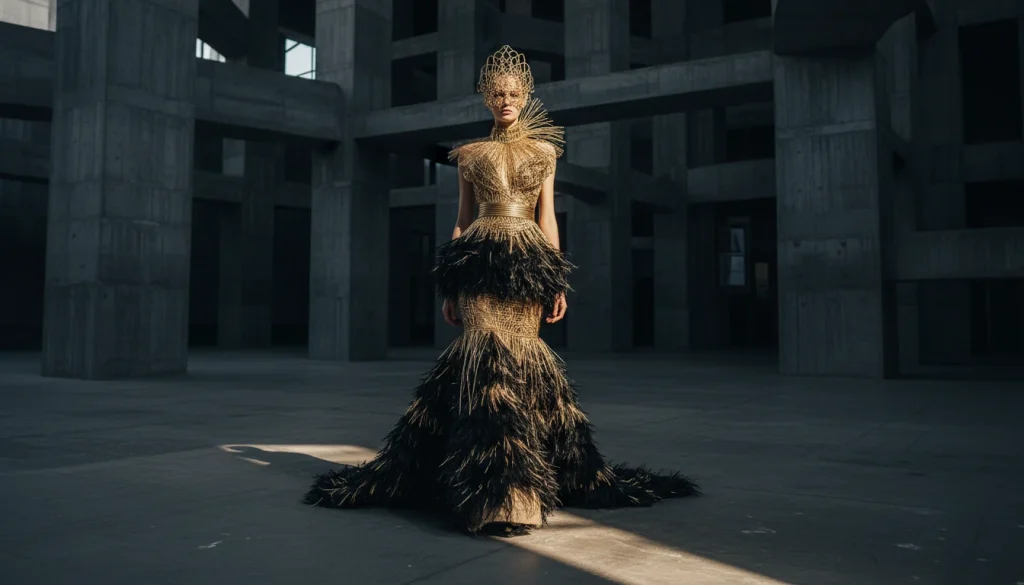



The traditional creative brief is a relic of a slower era. In the age of generative velocity, we no longer rely on written documents to define visual intent. We engineer intuition.
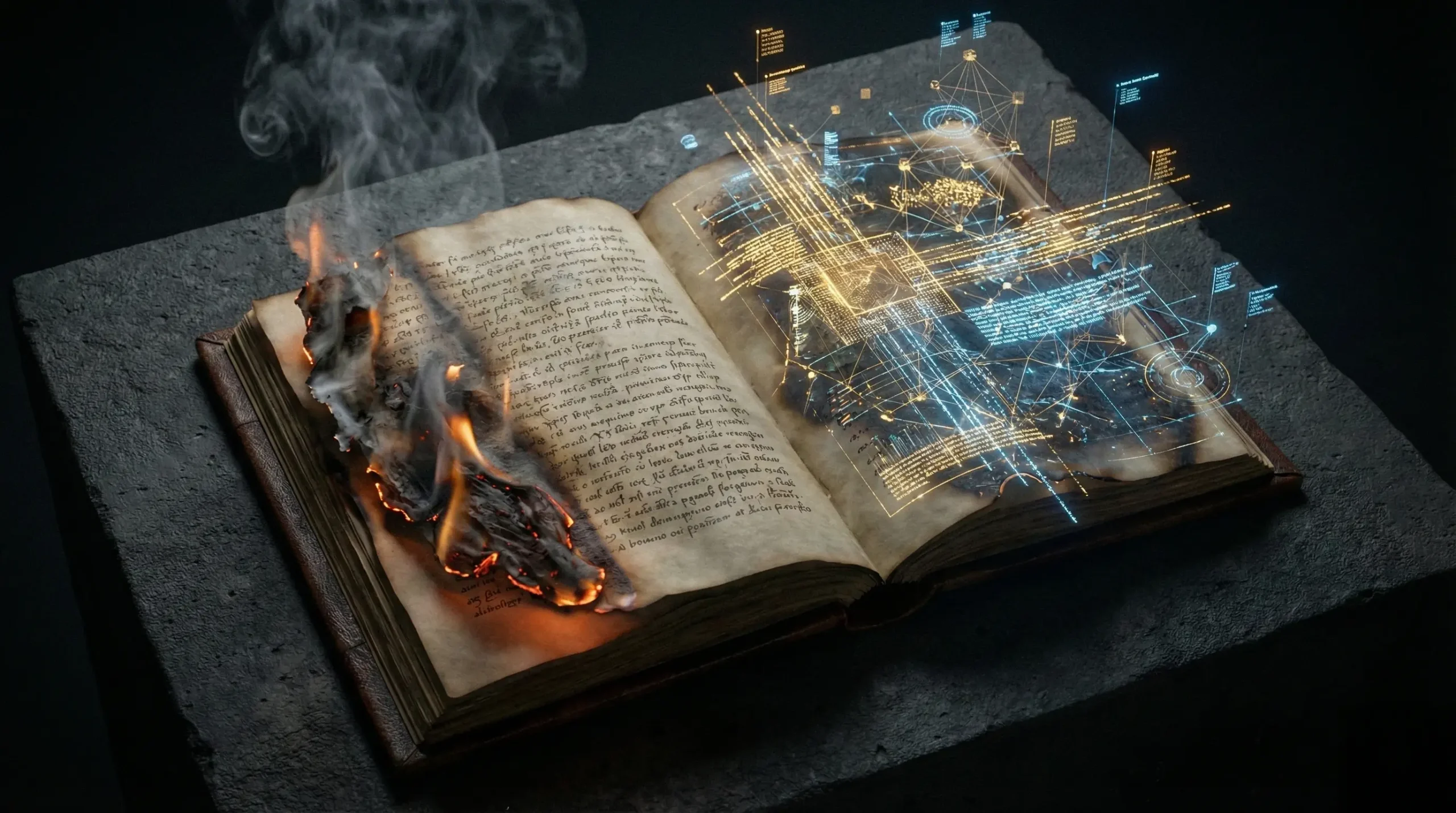
Introduction: The Anatomy of a Broken Telephone
For seventy years, the creative industry has worshipped at the altar of a single document: The Creative Brief. It is the supposed North Star, the strategic anchor, the contract between client intent and agency output.
Yet, any honest assessment of the modern creative process reveals an uncomfortable truth: the brief is broken.
In the vast majority of engagements, the brief is not a map; it is a game of broken telephone played with multi-million dollar budgets. It is a linear, text-based attempt to describe a non-linear, emotional, and deeply visual desired outcome.
A client feels a need for “sophisticated disruption.” A strategist translates that feeling into bullet points. A creative director interprets those bullet points into a mood board. A design team translates that mood board into final assets. At every step of this analog translation chain, the original signal is diluted. Fidelity is lost.
The result is the industry’s most expensive inefficiency: the “gap” between what was meant and what was delivered. In an era defined by hyper-velocity, relying on a static Word document to govern dynamic visual engineering is obsolescence by choice.
At the House of Namus, we have declared the death of the traditional brief. We do not demand that our partners articulate the impossible before we begin. We demand they explore the unspoken with us.
The Paralysis of Articulation
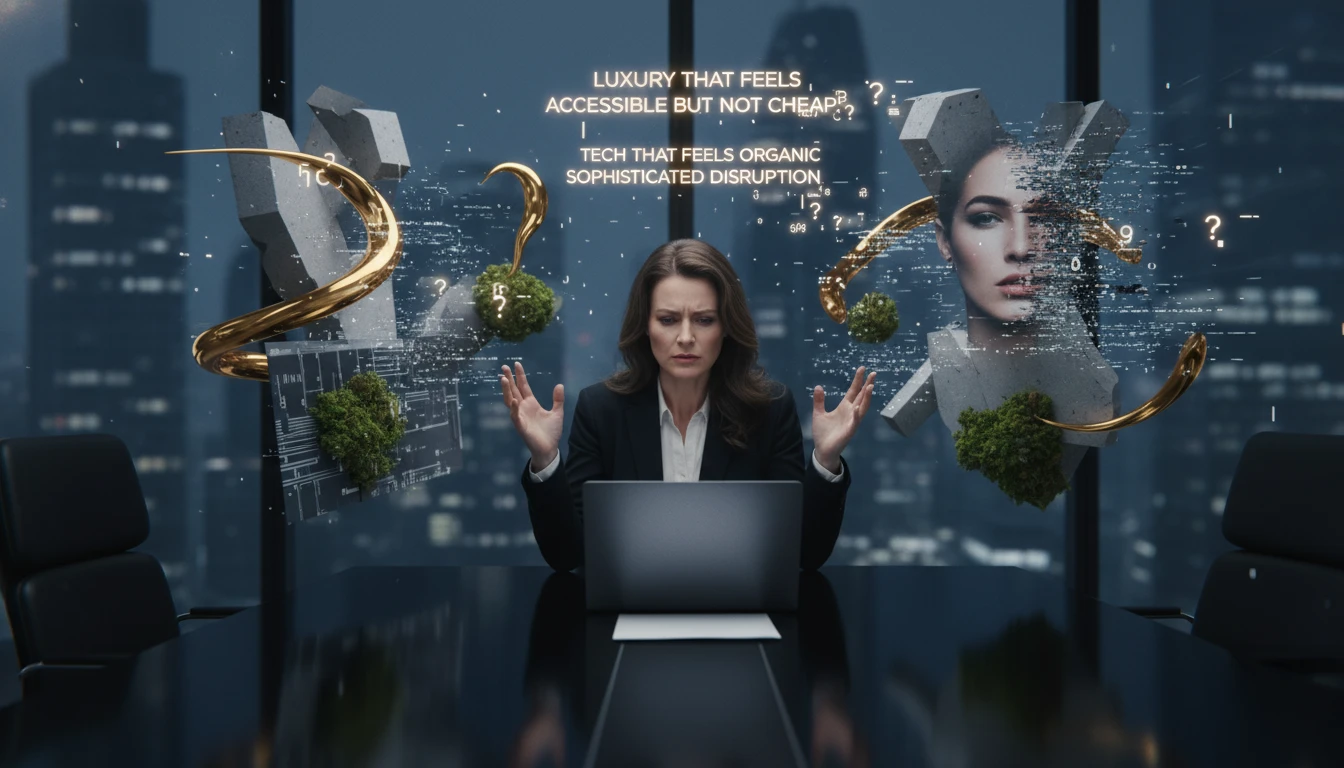
The fundamental failure of the traditional brief is rooted in cognitive dissonance. We are asking stakeholders—CEOs, Marketing Directors, Founders—to act as poets and art directors.
We ask them to use words to describe sensory experiences. We ask for “luxury that feels accessible but not cheap,” or “tech that feels organic but not rustic.” These are paradoxes that language struggles to contain, yet we expect a few paragraphs on a page to serve as the definitive blueprint for a global campaign.
This process creates the Paralysis of Articulation. Clients know what they don’t want when they see it, but they rarely know what they do want until it is visualized in front of them. The traditional agency model forces them to guess, waits three weeks to show them three options based on that guess, and then restarts the cycle when the inevitable misalignment occurs.
It is slow, expensive, and friction-heavy. It is analog thinking in a digital world.
Enter the Engine of Intuition
If the problem is using text to define visuals, the solution is to stop writing and start seeing.
The F.R.I.D.A. Protocol, specifically under the “Integration” and “Disruption” pillars, allows us to utilize generative AI not merely as a final production tool, but as a real-time interpreter of intent.
We call this process Intuitive Engineering.
In a No Brief Studio session, we do not start with a document; we start with a dialogue. As the client speaks about their market positioning, their anxieties, and their aspirations, our visual engineers are operating generative models in real-time.
We are not trying to generate the “final ad.” We are generating rapid-fire visual metaphors, textures, lighting scenarios, and architectural forms that correspond to the words being spoken.
If a client says “aggressive growth,” we don’t write it down. We instantaneously generate thirty variations of what “aggressive growth” looks like. Is it a brutalist concrete structure overtaking a forest? Is it a golden algorithm consuming data? Is it a high-fashion model kicking through glass?
We bypass the translation layer. We put visuals in front of the client at the speed of thought.
Synthetic Empathy: Moving Beyond the Prompt
This process requires a new skillset. It is not enough to be a “prompt engineer.” The true value lies in Synthetic Empathy—the ability of the human expert to read the client’s emotional reaction to the machine’s output.
When we flash a series of generated images onto the screen, we are not looking for approval on the pixels; we are looking for resonance with the soul of the brand. We watch for the lean-in, the nod, the immediate rejection.
“That texture feels too cold.” “That lighting is exactly the right mood.” “That composition makes us look defensive, not dominant.”
These reactions are vastly more valuable than any paragraph in a creative brief. They are the raw, unfiltered data of human preference. By rapid-prototyping these emotional states, we can triangulate the precise visual territory the brand should occupy in hours, rather than months.
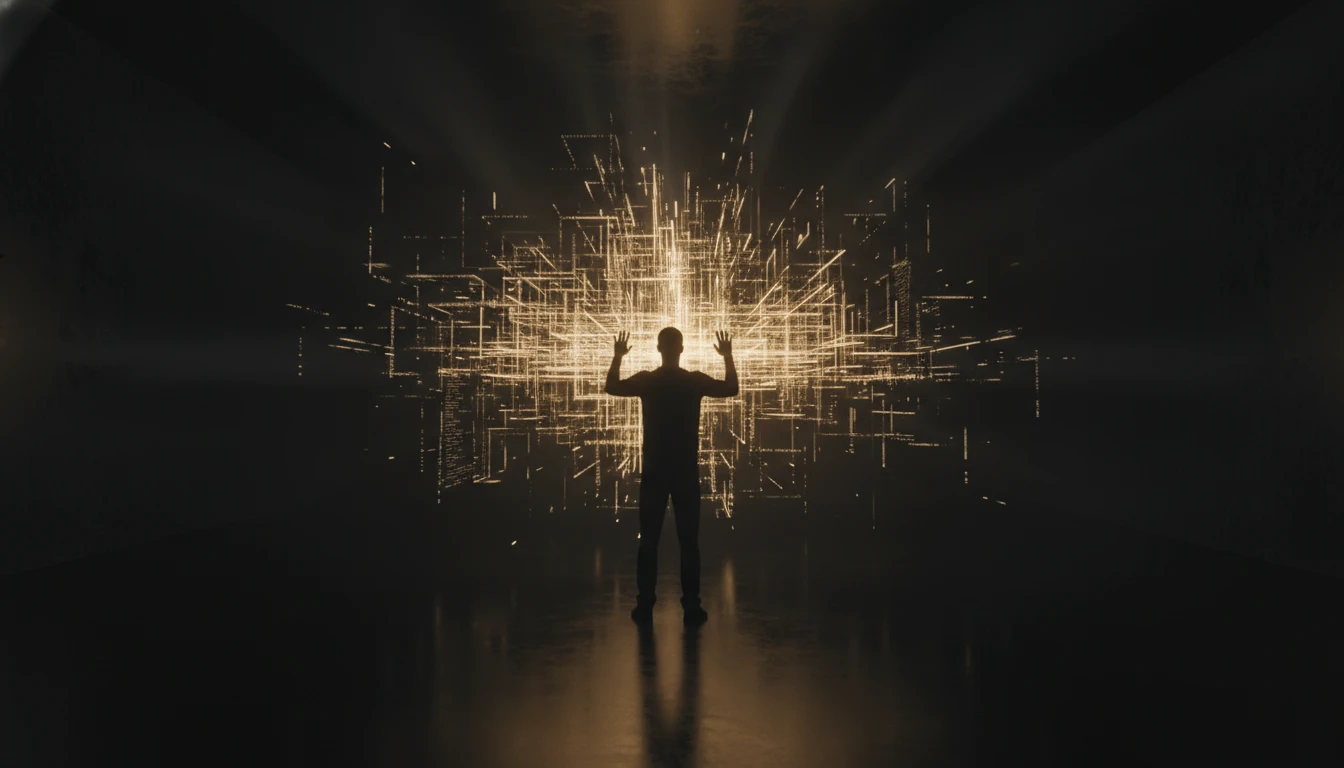
The New Protocol: Visual Consensus
Under this new paradigm, the “brief” is not the starting point of the project. It is the result of the exploration.
Once we have used Intuitive Engineering to establish strong visual consensus—once we know exactly what “sophisticated disruption” looks like for this specific client—only then do we move into high-fidelity production.
By the time we begin final execution, there is no ambiguity. The “unspoken” has been visualized, critiqued, and refined. We are no longer guessing; we are executing a shared vision with absolute precision.
This is the methodology of No Brief Studio. We recognize that in the modern landscape, velocity is a non-negotiable. By killing the traditional brief and replacing it with generative visual exploration, we do not just save time. We ensure that the final output is a true reflection of intent, uncorrupted by the limitations of language.